Learn about Germany – A very promising destination for Vietnamese workers.
Overview of Germany: Economy, Living Conditions, and Opportunities for Vietnamese Workers
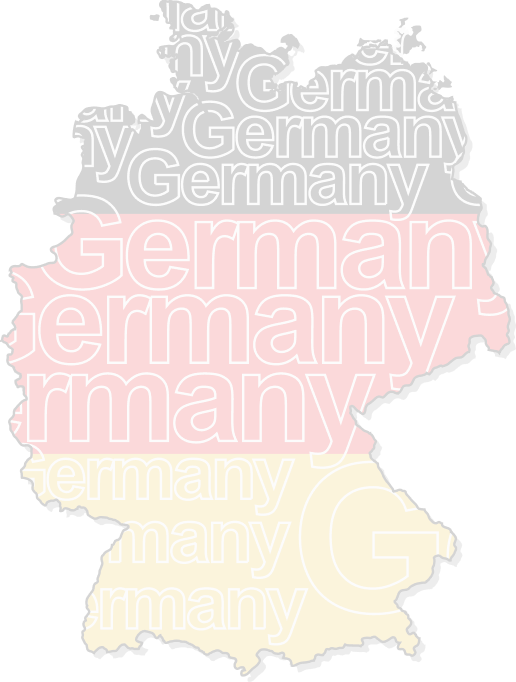
Germany is a developed country located in the center of Europe, with an area of approximately 357,022 km², similar to Vietnam. The population is currently around 83–84 million people (estimated late 2024/early 2025), nearly comparable to Vietnam. Notably, at least 1 out of every 10 people in Germany is an immigrant, reflecting the country’s diversity and openness.
Geographical Location and Climate
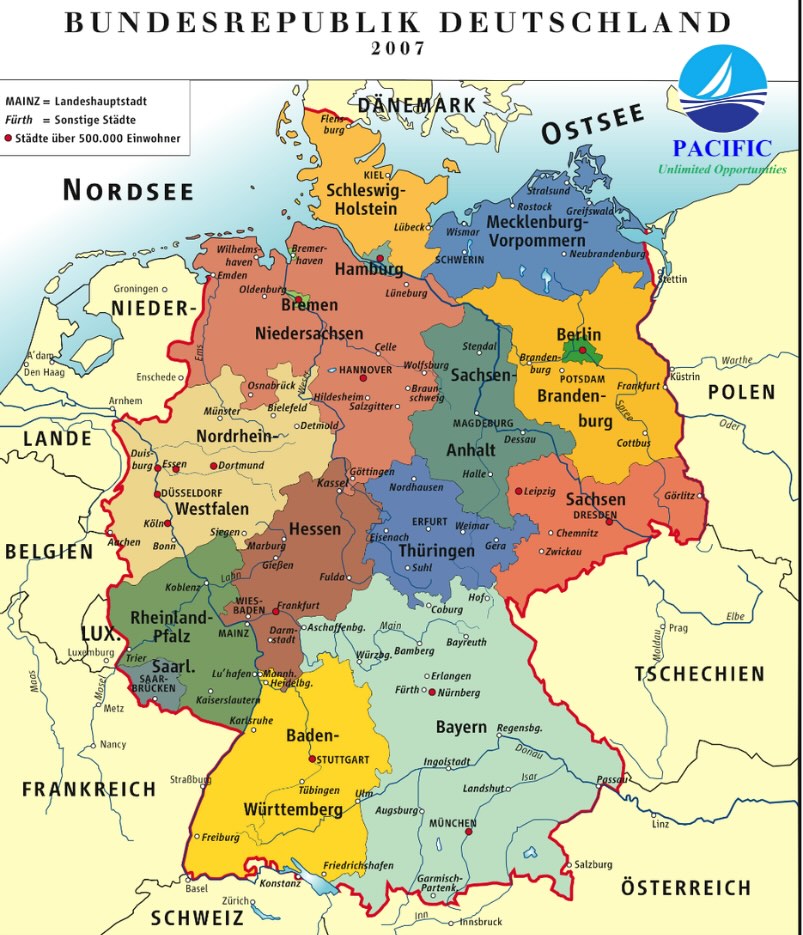
Germany is located in the heart of Europe and borders 11 countries:
- To the north: Denmark
- To the east: Poland and the Czech Republic
- To the south: Austria and Switzerland
- To the southwest: France and Luxembourg
- To the northwest: Belgium and the Netherlands
Germany is divided into three main regions:
- Northern Germany: including Hamburg and Berlin – known for plains and seaports.
- Central Germany: characterized by forests such as Thuringia and Harz – hilly and densely forested areas.
- Southern Germany: famous for Bavaria and Munich – major industrial and cultural centers.
Thanks to its strategic location, Germany has become an economic and trade hub of Europe, connecting seaports, road systems, and air transport with most developed countries in the region.
Climate Characteristics
Germany has four distinct seasons with a relatively mild climate:
- Northern region: winters are not too cold, summers are cool, with rainfall throughout the year.
- Eastern region: long and cold winters.
- Southwestern region: warmer climate, sometimes resembling a humid subtropical climate, with many summer days above 30°C.
Economy and Living Standards
Germany has the largest economy in Europe and uses the Euro (€) as its official currency. From January 1, 2025, the minimum wage in Germany has been increased to 12.81 €/hour.
Despite its strong economy, Germany is facing a severe labor shortage, especially in sectors such as healthcare, engineering, and information technology. Therefore, the German government continuously introduces open policies, simplifies immigration procedures, and promotes international training cooperation.
In Vietnam, many German enterprises are cooperating with vocational schools – such as Lilama 2 – to train students who aim to work in Germany. These programs are often fully funded, covering training costs, tuition fees, and visa procedures.
Since 2023, Germany has also implemented the 18B visa policy to attract workers with university degrees (H+) recognized in Germany.
Vietnamese Community in Germany
Vietnamese people living and working in Germany are mainly concentrated in eastern states such as Berlin (especially Lichtenberg district) and Leipzig. In addition, Vietnamese communities are also present in large numbers in Frankfurt, Munich, and western regions. This community not only supports each other in daily life but also contributes to promoting Vietnamese culture in Germany.
German Culture and People
Germans are well known for their discipline, punctuality, and respect for rules. At work, they value efficiency and honesty, while in private life they clearly separate work and personal time, placing importance on personal space.
Once familiar, they are very friendly, open-minded, and willing to help others.
Lifestyle and Habits
Work-life balance: After working hours, Germans usually avoid discussing work and instead spend time with family, friends, or personal hobbies.
Weekend habits: They enjoy outdoor activities such as walking, camping, cycling, or hosting barbecues with friends.
Germany is known as the “land of beer” with more than 1,500 types of beer and thousands of traditional breweries. Drinking beer is not only a hobby but also an important part of social culture.

Cuisine and Cost of Living
German cuisine is diverse, featuring traditional dishes such as sausages, rye bread, beer, potatoes, and sauerkraut.
In major cities, there are many Asian supermarkets and Vietnamese stores, making it easy for Vietnamese people to buy ingredients and cook at home – a common way to save money.
Cost of Living
The average cost of living in Germany ranges from 500–600€ per month if managed carefully, depending on the area:
- Accommodation: 250–300 €
- Food: 150–250 € (if cooking at home)
- Insurance, utilities, transportation: 100–200 €
The cost of living in Germany is not too high if spending is well managed.

Taxes and Social Insurance
Workers in Germany are required to pay taxes and mandatory insurance contributions, which account for approximately 20–25% of income.
Deductions
| Deduction | Average Rate | Notes |
| Personal income tax | 10–15% | Based on tax brackets |
| Pension insurance | 9.3% | Shared with employer |
| Health insurance | 7.3% | Total 14.6%, split equally |
| Unemployment insurance | 1.3% | Support when unemployed |
| Long-term care insurance | 1.5–2% | Applies to all residents |
For example, with a full-time income of around 2,050 €/month, the net salary is approximately 1,500–1,600 €.
Vocational Training and Long-term Settlement Opportunities
Germany is well known for its dual vocational training system (Dual System).
During training, students receive a salary of 800–1,200 € per month. After graduation, income can reach 2,000–3,000 € per month.
After 5 years of working, individuals may apply for permanent residence and German citizenship.
Life and Environment in Germany
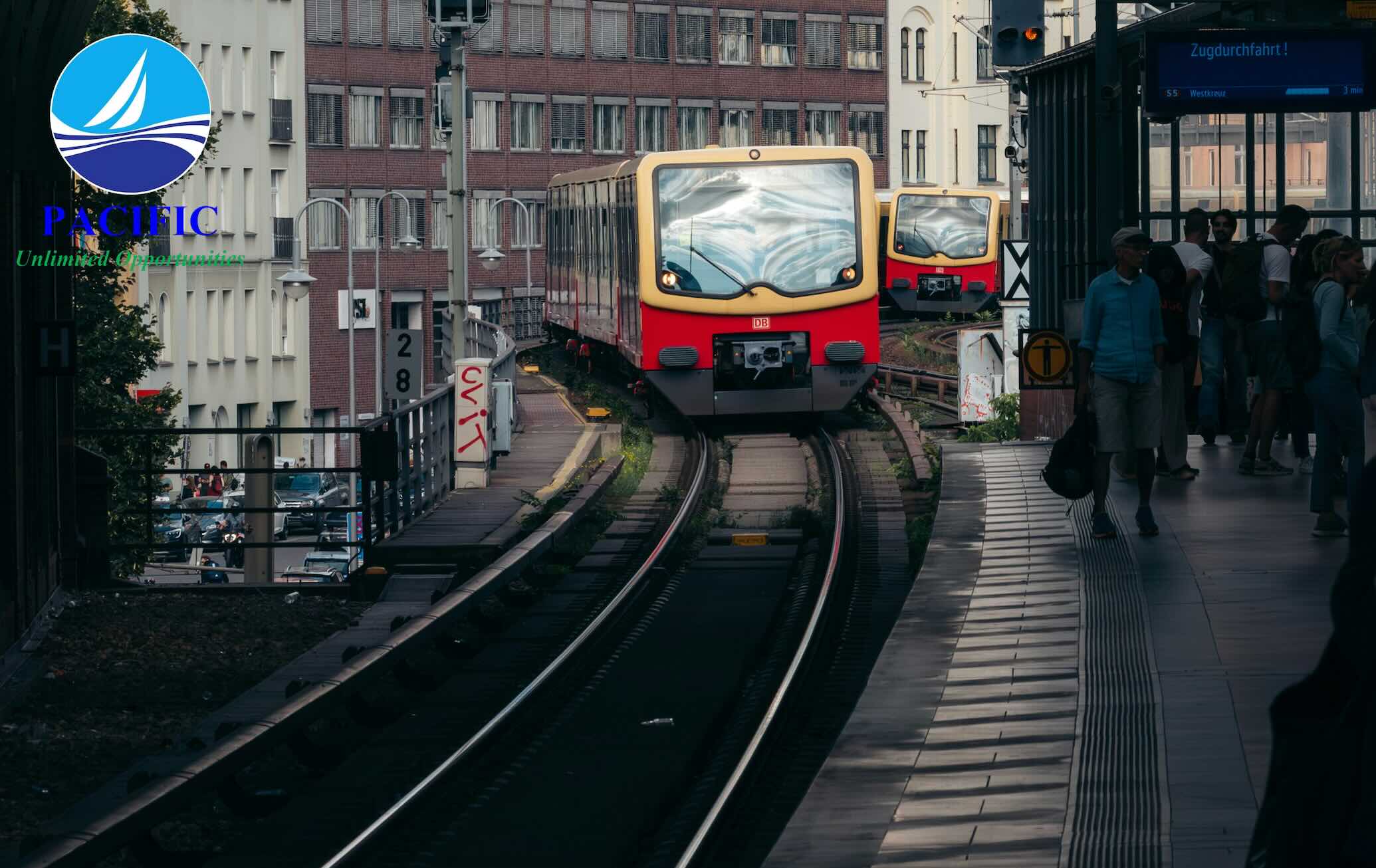
Germany has a modern and well-developed transportation system.
People prioritize bicycles and environmentally friendly lifestyles.
This is a green, safe country with a high quality of life.
Conclusion
Germany is not only one of Europe’s leading economic centers but also an ideal destination for Vietnamese workers and students.
With stable income, strong social welfare, and clear pathways for vocational training and long-term settlement, Germany is truly a “safe destination” for those with determination and ambition.
-
Share:
-

-

-

-

CATEGORY
Featured Articles

Pacific – A 10-Year Journey Connecting International Job Opportunities for Vietnamese Workers

Germany Minimum Wage 2026: How Much You Really Earn After Tax

Eligibility requirements for the 8-month seasonal work program in Germany: Things you need to know before applying.

Germany Switches to Summer Time 2026: Important Information for Workers
What is ZAB? Complete Guide to Degree Recognition in Germany (KMK, ANABIN, H+)

Germany expands its 8-month seasonal worker program: An attractive new opportunity for Vietnamese workers.
TAGS NHANH